
News
Brexit Travel Rules: What UK Travellers Need to Check Before Visiting Europe
Tourists wander around the iconic Parthenon on a sunny day, exploring its ancient ruins.
Article content
Brexit Travel Rules for UK Visitors
Short stays now follow the 90/180-day rule
Brexit ended free movement for British citizens travelling to the EU and the wider Schengen area. UK passport holders can still visit for tourism or business without applying for a traditional visa in advance, but their stays are limited to 90 days within any rolling 180-day period. That makes trip planning more important for frequent travellers, second-home owners, and people combining multiple European destinations.
Passport checks, ETIAS and EES are changing the travel experience
Post-Brexit travel also comes with tighter document checks. A UK passport generally needs enough remaining validity for entry and must stay within the EU rules for third-country nationals. At the same time, the EU has prepared new digital border systems. ETIAS is designed as a pre-travel authorisation for visa-free visitors, while the Entry/Exit System will digitally register border crossings instead of relying only on passport stamps.
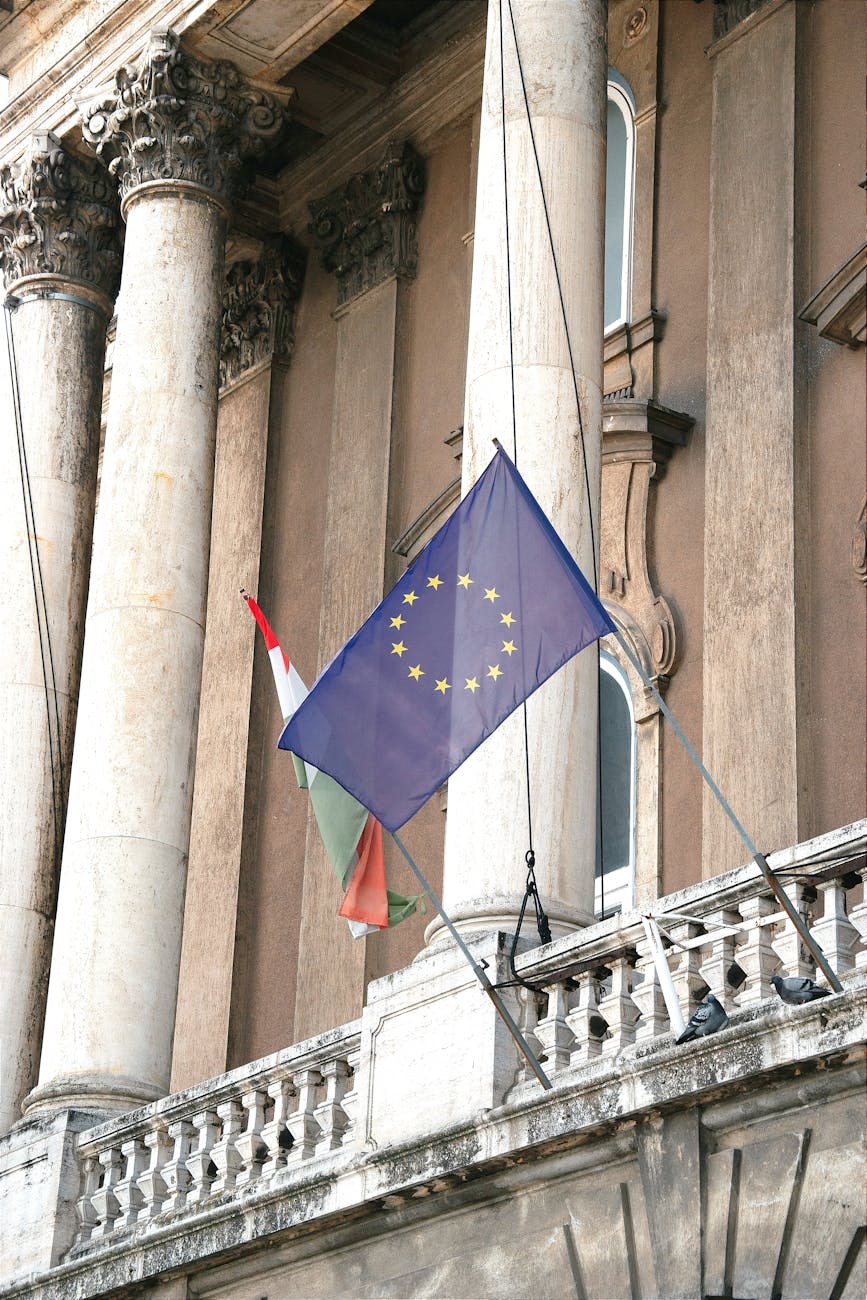 Photo by Molnár Tamás Photography™ on Pexels
Longer queues and more proof at the border
These changes can mean longer waits at airports, ferry terminals and rail stations because British travellers no longer use the same entry channels as EU citizens in many locations. Some destinations may also ask visitors to show return tickets, accommodation details or sufficient funds for their stay. For travellers, the main lesson is straightforward: Brexit did not end leisure travel to Europe, but it did replace convenience with planning, documentation and stricter border routines.
Tags:
Source:
Image Sources:
- Header image: Photo by M. Usman on Pexels
- Teaser image: Photo by Tima Miroshnichenko on Pexels