
News
Drones, Strikes, and Airline Collapses: Know Your Rights When Travel Plans Go Wrong
European Union flag gently waving on a flagpole against a cloudy sky, symbolizing unity and patriotism.
Article content
When the Skies Are Not Friendly: Your Rights During Flight Disruption
Flight disruption has become an increasingly common feature of modern travel. Whether caused by rogue drones, industrial action, or the sudden collapse of an airline, passengers often find themselves stranded with little understanding of their legal protections. The good news is that EU and UK regulations provide substantial safeguards -- but knowing how to use them is essential.
 Photo by jimmy teoh on Pexels
Drone Disruptions: A Growing Threat to Air Travel
Drone incursions at airports have moved from rare curiosity to genuine operational threat. When drones are detected near runways, airports have no choice but to halt operations, potentially stranding thousands of passengers.
If you are booked to fly from an EU or UK airport and your flight is cancelled due to drone activity, the airline must:
- Provide an onward flight as soon as possible -- on any airline that has seats available
- Unless the cancelling carrier has an alternative flight on the same day, it must enable you to fly on a rival airline
- Provide meals as appropriate and, if necessary, a hotel room while you wait
In practice, during mass disruption events, airlines often leave passengers to find their own accommodation. When flights are diverted, the situation becomes even more chaotic. Keep all receipts -- you can claim these expenses back from the airline.
 Photo by Atlantic Ambience on Pexels
The Financial Burden Airlines Face
European airlines strongly oppose these regulations, and not without reason. Whatever the cause of disruption -- fire cutting power to London Heathrow, drones dispatched by unknown assailants, French air-traffic controllers walking out -- the carriers must absorb the costs.
This growing financial burden is ultimately passed on to passengers through higher fares. Industry observers expect changes to passenger rights regulations in the near future, potentially introducing caps on airline liability or time limits on duty-of-care obligations.
French Air Traffic Control Strikes: A Recurring Headache
French air traffic control strikes remain one of the most predictable yet disruptive events in European aviation. These walkouts affect not just flights within France but all overflights crossing French airspace -- impacting routes from the UK to Spain, Italy, Greece, and beyond.
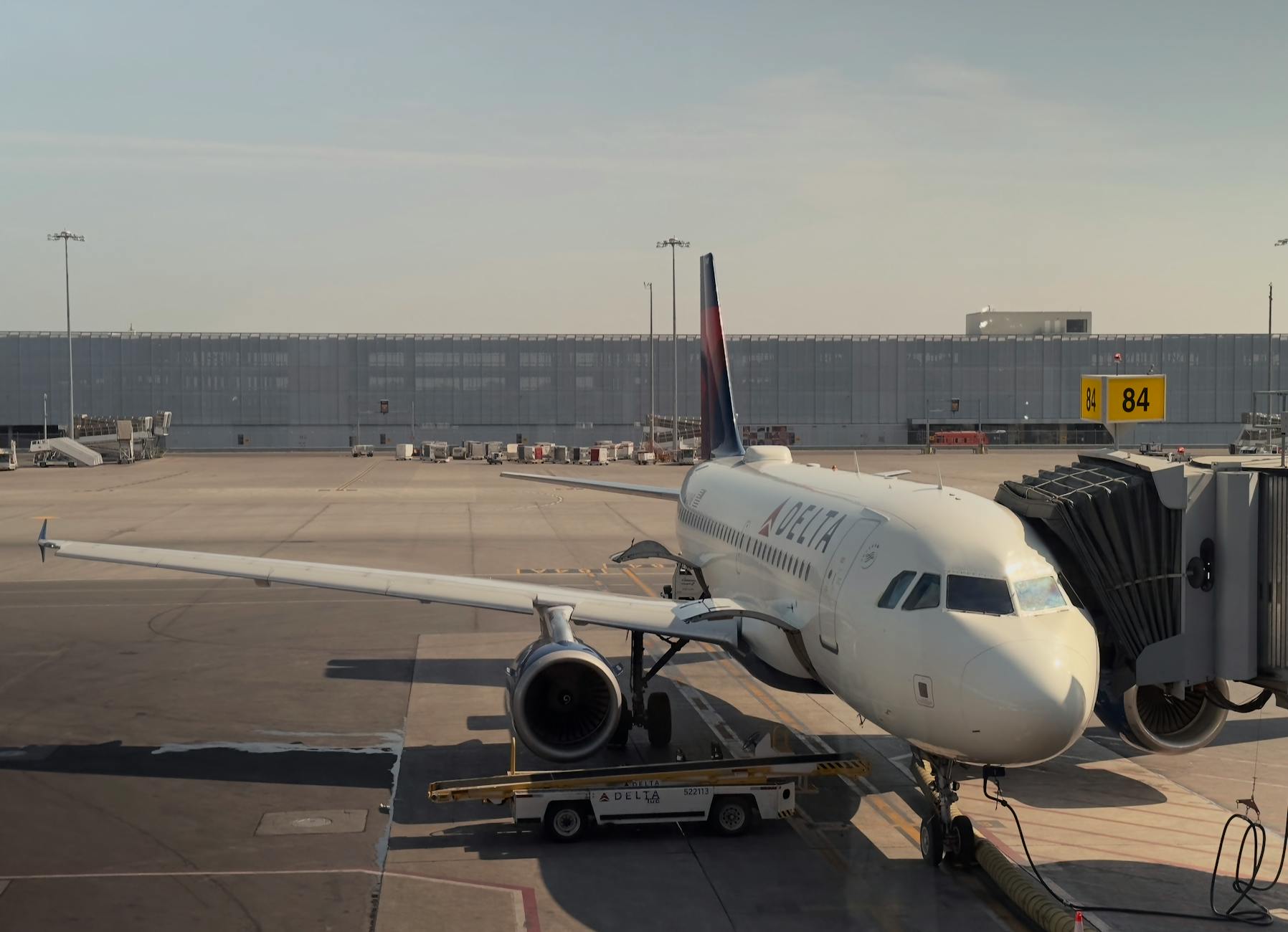 Photo by Mateo Valdes on Pexels
What If You Are an Unpaid Carer?
For vulnerable passengers such as unpaid carers who depend on returning home on schedule, disruption carries especially high stakes. If your flight is cancelled due to a strike:
- The airline must offer you an alternative flight as soon as possible
- Consider having a backup plan ready -- research alternative routes via different airports or countries
- Cross-border alternatives (such as flying from a nearby Spanish airport if your French departure is disrupted) can provide a lifeline
Transiting Through the EU to Reach the Americas
Many UK travellers fly to destinations in Central and South America via EU hub airports such as Paris CDG, Madrid, Amsterdam, and Frankfurt. A common concern is whether the upcoming Entry Exit System and Etias will complicate these transit journeys.
The key distinction is whether you pass through immigration. At major hub airports, the aim is to allow passengers travelling between two points outside the EU to connect as smoothly as possible. If you remain in the transit zone without passing through immigration, the new systems should not affect you.
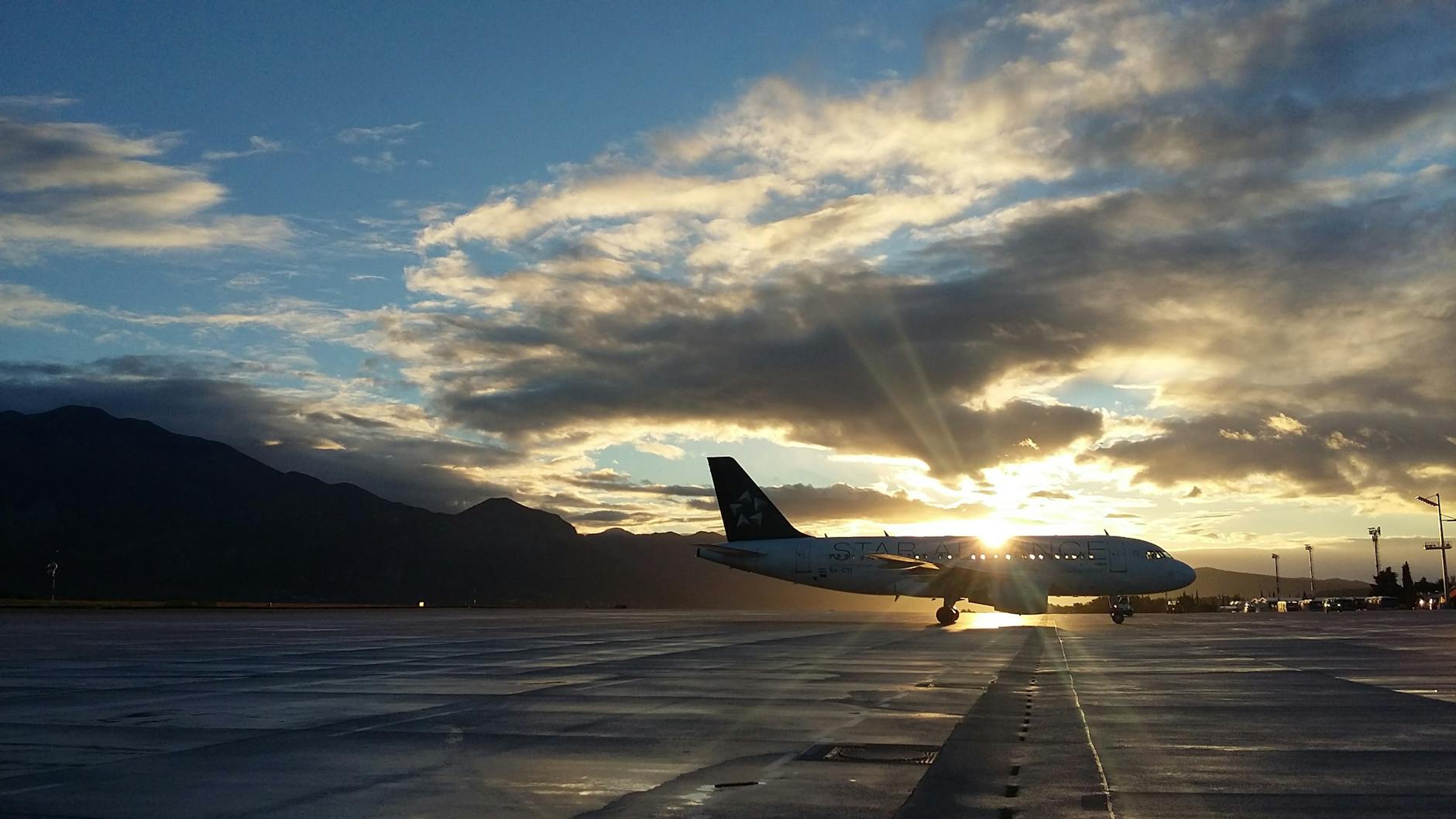 Photo by Marina Hinic on Pexels
However, being prepared is crucial. When the European Travel Information and Authorisation System (Etias) launches, applying in advance is strongly recommended even for transit passengers. If your connecting flight is missed and you are forced to enter the country, you will need the proper documentation.
When Your Airline Goes Bust
The collapse of an airline mid-journey represents one of the most stressful scenarios a traveller can face. When an airline ceases operations:
- Other airlines sometimes offer rescue fares -- discounted tickets specifically for stranded passengers, though this is not guaranteed
- Your best strategy is to book the cheapest available route home independently and then pursue reimbursement
- Credit card section 75 protection may cover your original booking if paid by credit card
- Travel insurance should cover repatriation costs, provided the policy was purchased before the airline's financial difficulties became public knowledge
Getting from unexpected locations back to the UK often requires creative routing. Budget buses to major hub cities, followed by low-cost carrier flights, can be the most cost-effective solution.
 Photo by ao tak on Pexels
Practical Tips for Protecting Yourself
- Always book flights by credit card for section 75 protection
- Purchase comprehensive travel insurance before every trip
- Download the apps of multiple airlines serving your route
- Keep receipts for everything during disruption -- meals, transport, accommodation
- Know your airline's customer service channels before you need them
- Research alternative routes in advance, especially if travelling during strike-prone periods
The Bottom Line
Flight disruption is no longer an occasional inconvenience -- it is a structural feature of modern air travel. From drones to strikes to airline failures, the threats are multiplying. Informed passengers who understand their rights, maintain flexibility, and plan ahead will weather these storms far better than those who rely on hope alone.
Tags:
Source:
Image Sources:
- Header image: Photo by eberhard grossgasteiger on Pexels
- Teaser image: Photo by Longxiang Qian on Pexels