
News
EES Delayed Again: October Start Pushed to November 2024
Bright arrivals sign with airplane symbol in an airport terminal.
Article content
EES Delayed Again: October Start Pushed to November 2024
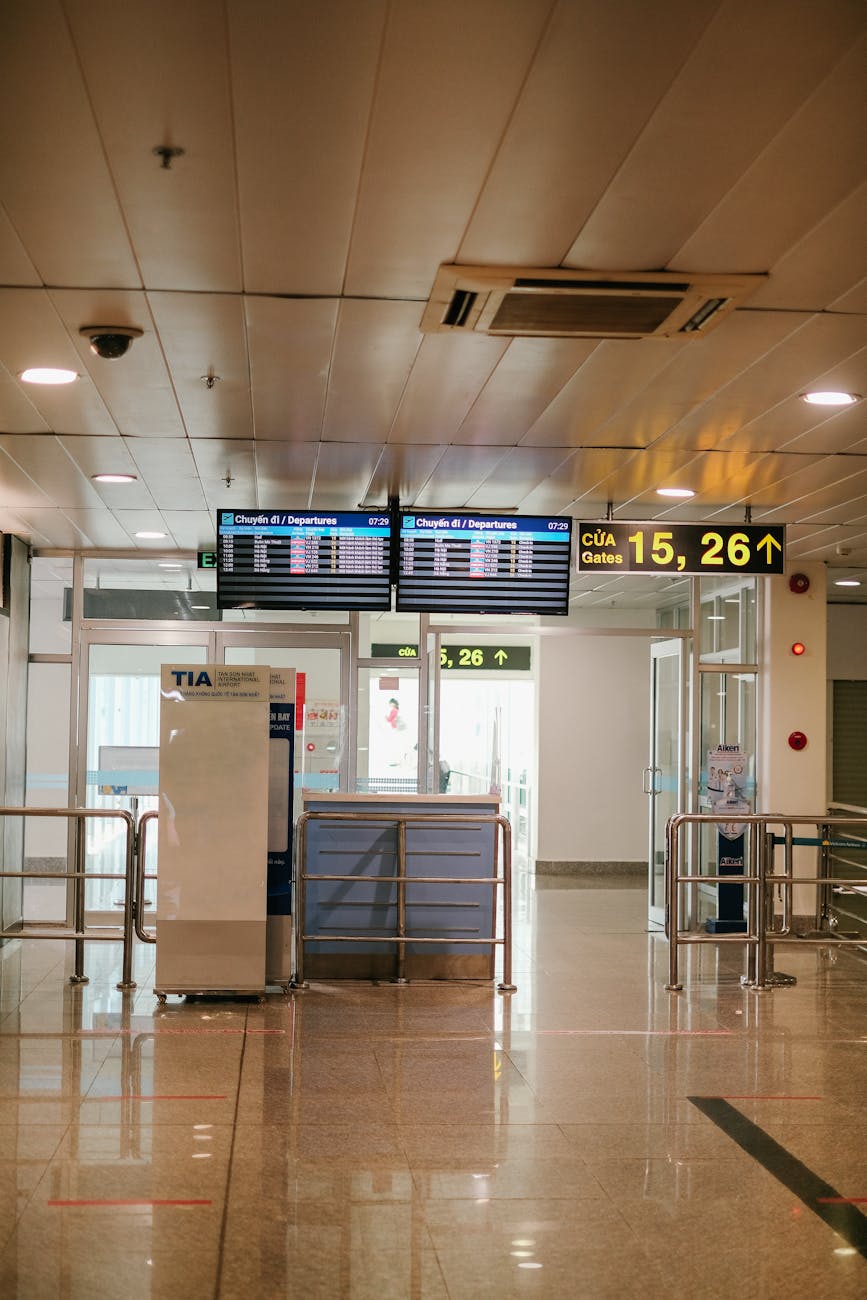 Photo by Pew Nguyen on Pexels
Another Delay for a Long-Anticipated System
The Entry/Exit System (EES) was originally conceived in 2016 and had been scheduled to launch as early as 2021. By mid-2024 it had already slipped multiple times — pushed from its initial target date through a series of technical, infrastructure, and political obstacles. When EU officials confirmed in July 2024 that the planned 6 October 2024 start date was no longer viable, it marked yet another chapter in the system's troubled rollout timeline.
The revised target was set at 10 November 2024, with a fallback window of 17 November cited by some officials. The delay was not a technical failure alone. France in particular had signalled it would not be ready to absorb the operational impact of the new checks during the Paris Olympics, and had made clear that endorsing an October start was not feasible given the pressure on border infrastructure at French entry points.
Who Pushed for the Postponement and Why
France's objections centred on the juxtaposed border controls it operates at Dover and the Channel Tunnel — locations where French officials carry out passport checks on British soil before travellers board trains or drive onto ferries. These sites would face some of the heaviest EES processing demands, and French authorities argued they lacked the infrastructure to handle the additional biometric capture workflow within acceptable queuing times.
Infrastructure operators had made significant investments in anticipation of an earlier launch. Getlink, which operates the Channel Tunnel, had reportedly committed around €78 million to prepare terminals and install equipment. Eurostar had invested heavily in kiosks and staff training. ACI Europe, representing major airports, had urged a phased or postponed introduction, warning that a sudden start without adequate preparation risked significant congestion at key entry points across the continent.
Under the proposed soft-introduction model, border officials were expected to retain some discretion in the initial weeks, allowing travellers to pass without full biometric registration in cases of extreme congestion — an acknowledgement that the infrastructure was not yet uniformly ready.
What the Extended Timeline Means for Travellers
For non-EU citizens travelling to Schengen-area countries, EES would require providing fingerprints and a facial image on their first visit to the Schengen zone of each three-year period. Subsequent crossings would rely on the stored biometric record, making processing faster after initial registration. The system was designed to replace manual passport stamping and would track stay durations automatically, replacing the need for ink stamps as proof of entry and exit dates.
ETIAS, the European Travel Information and Authorisation System, was expected to follow EES by approximately six months after EES became operational. Note that while contemporary reporting in 2024 cited the ETIAS fee as €7, this figure reflected the original legislative proposal; the confirmed fee upon implementation is €20. The combined effect of EES and ETIAS would introduce both a biometric record and a pre-travel authorisation requirement for eligible passport holders, broadly similar to systems operated by the United States and Australia.
EES eventually launched in October 2025 following a further delay beyond the November 2024 targets, with the full rollout planned across all Schengen entry points by April 2026.
Tags:
Source:
Image Sources:
- Header image: Photo by Harm Jakob Tolsma on Pexels
- Teaser image: Photo by Markus Winkler on Pexels