
News
Irish Passport: Your Secret Weapon Against Brexit Travel Headaches
A warm-toned indoor image of an open suitcase with clothes, conveying travel readiness.
Article content
Why an Irish Passport Matters More Than Ever After Brexit
Since the United Kingdom formally departed the European Union, British travellers have found themselves on the wrong side of an increasingly complex web of border regulations. From biometric fingerprinting requirements to new travel authorisation systems, the era of seamless European travel for UK passport holders is coming to an end.
For those fortunate enough to hold -- or qualify for -- an Irish passport, the picture looks dramatically different.
 Photo by Matheus Bertelli on Pexels
The Biometric Border Revolution
The EU's Entry Exit System (EES) is set to transform how non-EU travellers cross Schengen Area borders. Under the new regime, British passport holders will be required to provide fingerprints and facial biometric data every time they enter the Schengen zone -- which now includes virtually all EU member states apart from Ireland and Cyprus, plus Iceland, Norway, Switzerland, and Liechtenstein.
For Irish passport holders, none of this applies. As EU citizens, the only checks they face are confirming their passport is valid and that it belongs to them. That means a fast-track queue at Dover, Folkestone, and every other Schengen entry point.
Etias: Another Hurdle Irish Passport Holders Can Skip
The European Travel Information and Authorisation System (Etias) will require British travellers to apply and pay for an electronic permit before visiting the EU. Think of it as Europe's answer to the US ESTA system.
Irish passport holders? Completely exempt. No forms, no fees, no waiting for approval.
 Photo by Tom Brunberg on Unsplash
Freedom of Movement: No 90-Day Rule
One of the most significant post-Brexit restrictions for British citizens is the 90/180-day rule, which limits stays in the Schengen Area to 90 days within any 180-day period. For retirees, remote workers, or anyone who simply loves extended European holidays, this is a serious constraint.
With an Irish passport, these time restrictions simply do not apply. Irish citizens retain full EU freedom of movement rights, including the ability to live and work anywhere in the European Union.
The Baltic States: A Hidden Gem Worth Exploring
For those planning to use their travel freedom, the Baltic states offer an exceptional itinerary. A journey from Klaipeda in Lithuania through Riga in Latvia to Tallinn in Estonia provides a rewarding mix of history, culture, and natural beauty.
The region is well connected by bus services -- Lux Express and FlixBus both operate competitive routes between major cities. There is no need to book in advance; tickets are readily available through mobile apps. Car hire is unnecessary and would be prohibitively expensive for one-way journeys across borders.
 Photo by Hussan Amir on Unsplash
Greek Islands: Timeless Mediterranean Appeal
The Greek islands remain among Europe's most alluring destinations. Crete stands out for its sheer diversity, depth of history, and warmth. The Minoan palace complex of Knossos alone justifies a visit. Rhodes offers a rich repertoire of history and architectural beauty, while Thassos in the far north is remarkably green and beautiful. Corfu, rich with Venetian heritage and literary connections, rewards return visitors handsomely.
Passport Expiry Pitfalls to Avoid
Travellers should be aware that some countries impose strict passport validity requirements. While destinations like New Zealand require only that your passport is valid for the duration of your stay, transit countries may demand three to six months of remaining validity.
Critically, only the EU and Schengen Area enforce the rule about passports being no more than 10 years old from the date of issue -- a regulation that catches out many British travellers whose renewed passports carry extra months from their previous document.
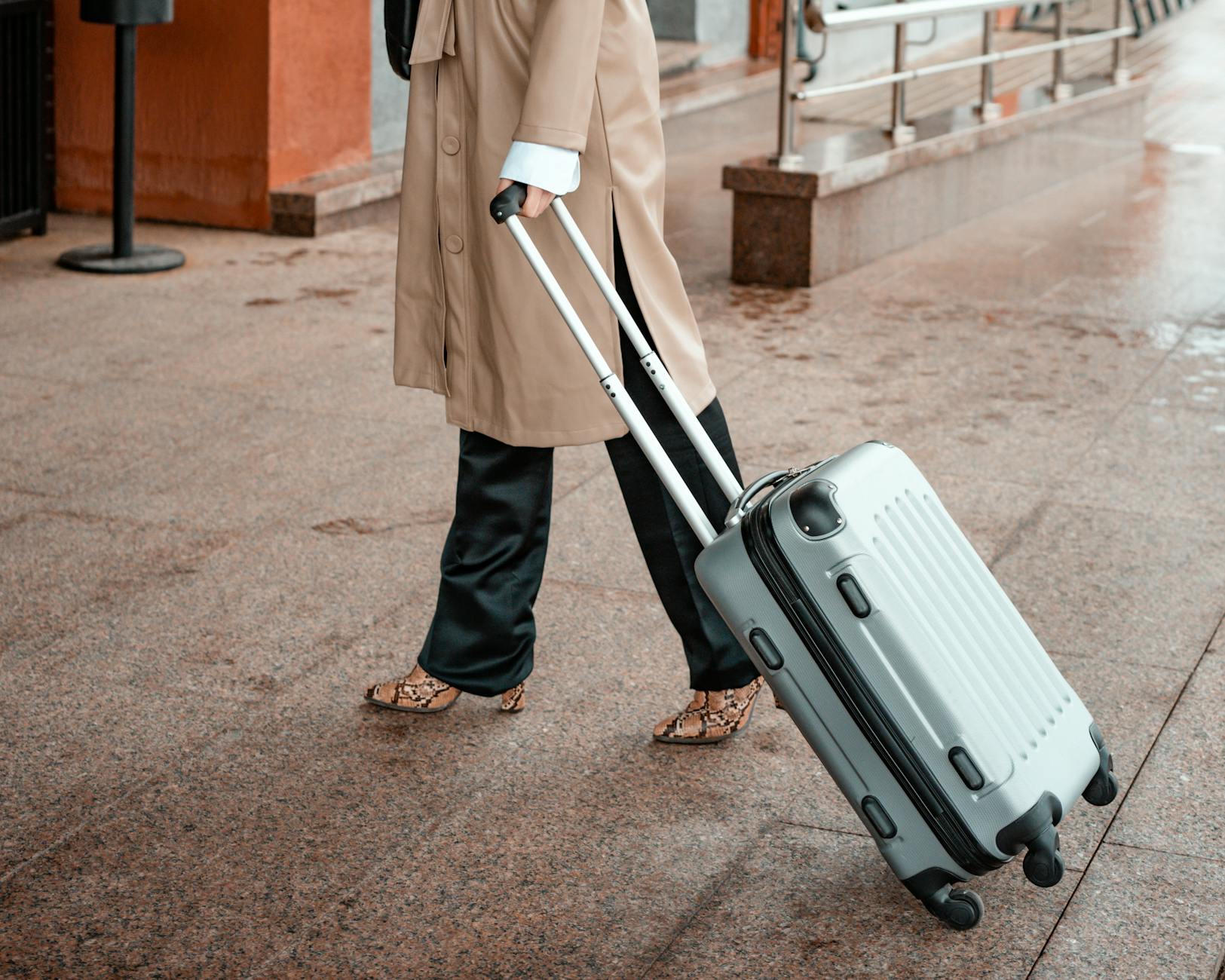 Photo by Mikhail Nilov on Pexels
The Bottom Line
For anyone with Irish heritage or a claim to Irish citizenship, obtaining an Irish passport is not merely a nice option -- it is a strategic travel decision. The advantages extend far beyond sentimental attachment to include concrete, practical benefits that will only grow as post-Brexit regulations tighten further.
Whether you are a frequent business traveller, a retiree dreaming of Mediterranean winters, or a family planning holidays across Europe, an Irish passport removes barriers that British-only passport holders will increasingly face.
Tags:
Source:
Image Sources:
- Header image: Photo by Craig Adderley on Pexels
- Teaser image: Photo by Porapak Apichodilok on Pexels