
News
New $250 Visa Integrity Fee: What Travellers to the US Need to Know Under Trump's Law
A commercial airplane approaches landing with barbed wire visible, symbolizing travel and security.
Article content
A New Cost of Visiting America
Travelling to the United States just became more expensive for millions of visitors. Under President Donald Trump's "One Big Beautiful Bill Act", signed into law on 4 July 2025, anyone issued a non-immigrant visa must now pay a $250 (approximately £186) visa integrity fee on top of existing application costs.
The fee is one of several immigration-related measures in the sweeping legislation, which the Trump administration says is designed to "restore integrity in our nation's immigration system."
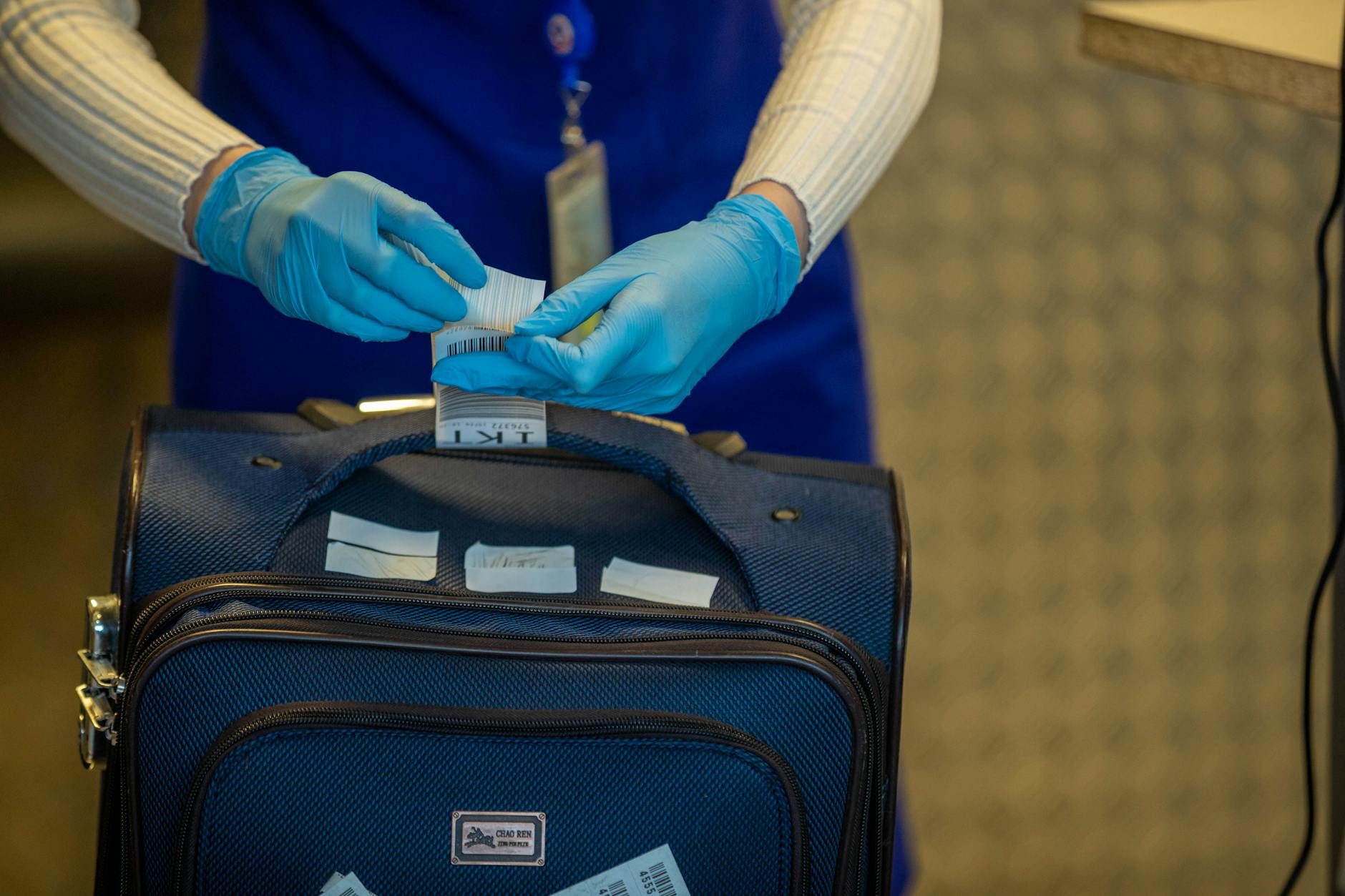 Photo by Sergei Starostin on Pexels
Who Has to Pay
The visa integrity fee applies to all visitors travelling to the US on a non-immigrant visa. This encompasses a wide range of travellers, including:
- Tourists from countries that do not participate in the Visa Waiver Programme
- International students on F-1 and other student visas
- Temporary workers on H-1B, L-1, and other employment visas
- Business visitors on B-1 visas from non-waiver countries
According to section 10007 of the Act, the fee is charged "at the time of such issuance" and "cannot be waived or reduced."
A report from the Visa Office found that nearly 11 million non-immigrant visas were issued in 2024 alone, giving a sense of the scale of revenue the fee could generate.
 Photo by Eran Menashri on Pexels
Who Is Exempt
Critically, travellers from more than 40 countries that participate in the US Visa Waiver Programme are exempt from the charge. This includes citizens of the United Kingdom, Australia, Japan, Singapore, and most Western European nations.
Most of these travellers enter the US on an Electronic System for Travel Authorization (ESTA), which has its own fee. However, the ESTA fee is also set to increase significantly -- nearly doubling from $21 (£16) to $40 (£30).
 Photo by Khojiakbar Teshaboev on Pexels
The Reimbursement Option
In a somewhat unusual provision, travellers who comply with all their visa conditions may be eligible for a full reimbursement of the $250 fee. To qualify, visitors must:
- Not accept any unauthorised employment while in the US
- Depart the country no later than five days after their visa expires
- Or obtain lawful permanent resident status
However, the law does not yet specify exactly when or how the fee will be collected or reimbursements issued. A Department of Homeland Security spokesperson confirmed that the process "requires cross-agency coordination before implementation."
Additional Cost Increases
The visa integrity fee is not the only cost rising for US visitors. The Form I-94 fee, required for all arriving travellers, has been increased to $24 (£18). Combined with the visa integrity fee and existing visa application costs, the total expense of visiting the US on a non-immigrant visa has risen substantially.
 Photo by Pixabay on Pexels
What Happens Next
The fee is technically effective during the current US fiscal year (1 October 2024 to 30 September 2025), but the system to collect it is not yet operational. Implementation requires coordination between the State Department, the Department of Homeland Security, and US embassies and consulates worldwide.
The visa integrity fee can be adjusted annually by the Secretary of Homeland Security in line with inflation, meaning the $250 figure is a floor, not a ceiling.
Impact on Global Travel
For the millions of international students, workers, and tourists who require a US visa, the new fee adds yet another financial hurdle to an already expensive process. Critics argue it could discourage tourism and business travel, particularly from developing nations. Supporters maintain it is a necessary measure to ensure compliance with visa conditions and fund immigration enforcement.
 Photo by Leonhard Niederwimmer on Unsplash
Whatever one's position, the practical reality is clear: visiting the United States in 2026 costs more than it did a year ago, and the trend shows no signs of reversing.
Tags:
Source:
Image Sources:
- Header image: Photo by Anderson Wei on Pexels
- Teaser image: Photo by Paulo Marcelo Martins on Pexels