
News
Planning a Trip to Japan? Expect Higher Visa Fees and Tourist Taxes in 2026
A stylish scene showcasing a vintage camera, hat, and orange juice, evoking summer travel vibes.
Article content
Planning a Trip to Japan? Expect Higher Visa Fees and Tourist Taxes in 2026
Japan is preparing a new round of travel-related charges that could raise the cost of visiting the country from 2026 onward. The planned measures are part of a broader strategy to address record-breaking tourism, improve airport infrastructure and support domestic public spending.
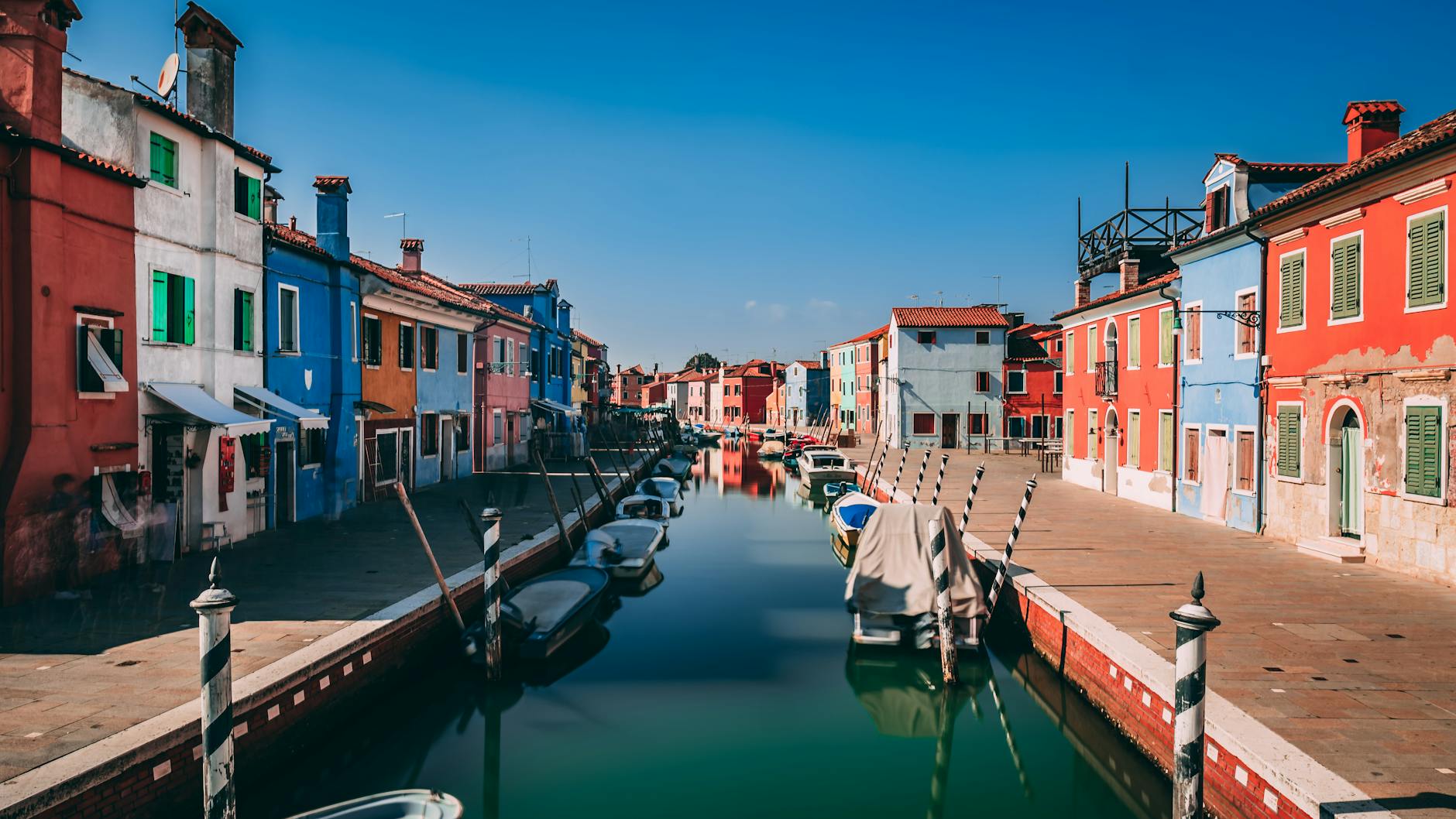 Photo by Chait Goli on Pexels
Why travel to Japan may cost more
Japan’s government is reviewing several fees that affect international visitors. Among the most significant proposals are an increase in the international departure tax and a revision of visa fees that have remained unchanged for decades.
Officials say the additional revenue could help strengthen airport operations, improve security screening and support public policy priorities, including education-related spending.
Departure tax could rise in 2026
Japan introduced its international departure tax in 2019 at a flat rate of JPY 1,000. The fee applies to people leaving the country, including travelers departing by air.
Authorities are now considering raising that amount to better match what they describe as international standards. Although the exact new rate has not yet been finalized, the change would affect both foreign visitors and Japanese citizens.
To reduce the impact on locals, policymakers have also discussed lowering passport application and renewal fees for Japanese nationals.
Visa fees may increase sharply
Japan is also reviewing visa charges that have not been updated since 1978. At present, a single-entry visa costs around JPY 3,000, while a multiple-entry visa costs about JPY 6,000.
If the country aligns its pricing more closely with other major destinations, travelers could face a substantial increase. The review reflects both inflation and the government’s effort to create new revenue streams without placing additional pressure on domestic taxpayers.
Another travel authorization system is on the way
Looking further ahead, Japan is also working on a pre-screening system known as the Japan Electronic System for Travel Authorisation, or JESTA, planned for 2028.
The system is expected to apply to nationals from visa-waiver countries and may come with a separate fee. It would function in a similar way to other digital travel authorization systems being introduced internationally.
Overtourism is driving policy changes
The planned fee increases come at a time when Japan is experiencing unprecedented tourism demand. International arrivals have surged beyond pre-pandemic levels, putting pressure on transport systems, public spaces and local communities.
Popular destinations in particular are feeling the impact. Policymakers increasingly see travel levies as a tool not only for raising revenue, but also for managing the effects of overtourism more sustainably.
Kyoto is already tightening its tourist tax system
Kyoto is one of the clearest examples of this shift. The city has approved a higher, tiered accommodation tax that is expected to take effect in 2026.
Under the revised structure, guests at luxury hotels could pay as much as JPY 10,000 per night, while visitors staying in mid-range accommodation may pay between JPY 1,000 and JPY 4,000. Budget stays under JPY 6,000 would remain subject to the lowest rate.
City officials say the goal is not to discourage travel, but to ensure that visitors contribute more directly to preservation, public services and tourism management.
A broader shift in Japan’s tourism strategy
Japan’s new approach suggests a broader change in how the country balances tourism growth with local quality of life. Instead of relying only on promotion and record visitor numbers, authorities are beginning to focus more seriously on sustainability, infrastructure and social impact.
For travelers, that means Japan is likely to remain a highly attractive destination, but one where the total cost of entry and stay may continue to rise.
What travelers should expect
Anyone planning a trip to Japan in 2026 should monitor official updates on visa rules, departure taxes and local accommodation charges before booking. While exact fee levels may still change, the direction is clear: visiting Japan is set to become more expensive as the country adapts to a new era of mass tourism.
Tags:
Source:
Image Sources:
- Header image: Photo by Pixabay on Pexels
- Teaser image: Photo by Tima Miroshnichenko on Pexels