
News
Spain Summer 2025 Travel Rules: What Visitors Need to Know Before They Go
Travelers board an airplane at Milan Malpensa Airport on a sunny day, showcasing modern air travel.
Article content
Spain Summer 2025 Travel Rules
Spain is preparing for another intense travel season after a record year for international arrivals. As visitor numbers keep rising, national and local authorities are introducing measures designed to manage tourism pressure, protect housing supply and reduce disruptive behaviour.
For travellers, that means planning now matters more than ever. Entry paperwork, accommodation rules, city taxes and even beach etiquette may affect your trip depending on where you go.
Entry Requirements Are Getting Stricter
Rules differ depending on nationality and the purpose of travel. Travellers from the EU, EEA and Schengen area can still enter Spain relatively easily with a passport or national ID, while non-EU visitors may face more detailed border checks.
Non-EU travellers should be prepared to show:
- a passport valid for at least three months after the planned departure date
- proof of travel insurance
- a return or onward ticket
- evidence of sufficient funds for the stay
- proof of accommodation
- an invitation letter or host address if staying with friends or family
Travellers planning a later trip in 2025 should also monitor the rollout of ETIAS, the EU's upcoming travel authorisation system for visa-exempt visitors.
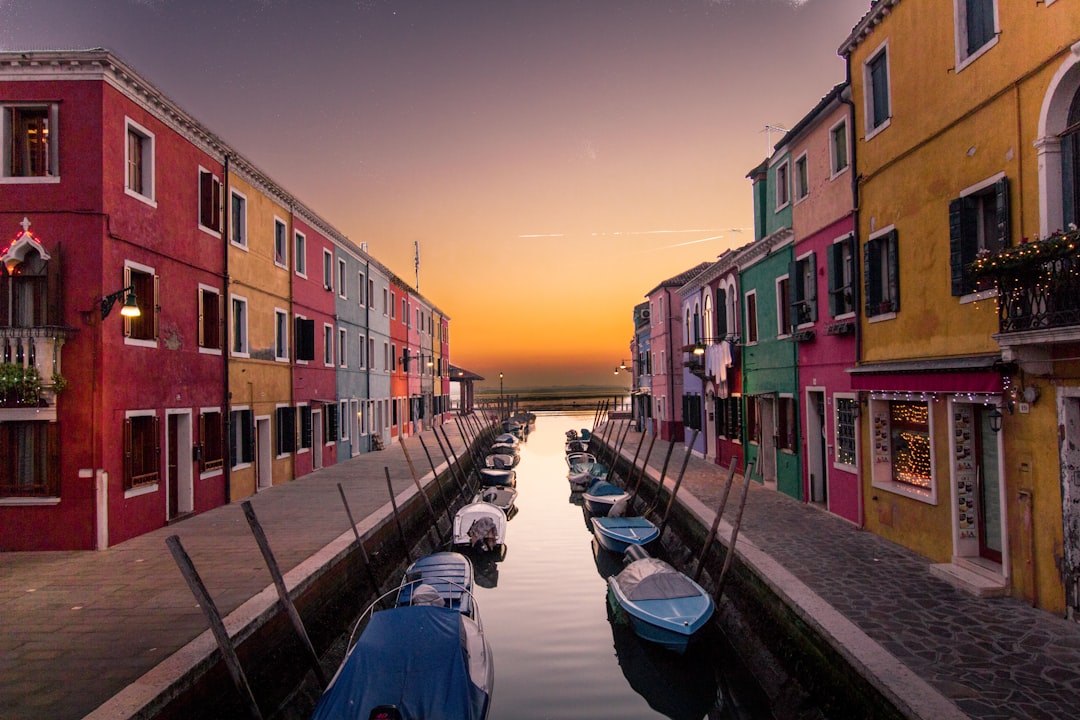 Photo by Fabio Mangione on Unsplash
Accommodation Rules Are Changing
Spain has introduced tighter controls for short-term rentals. Property owners who want to offer tourist accommodation are now expected to register and obtain permission before listing on booking platforms.
At the local level, some cities are moving even further. Malaga is limiting new tourist rentals in areas where holiday apartments already represent a large share of the housing stock. Barcelona is continuing its broader crackdown on short-term tourist flats, with a long-term plan to phase them out.
For visitors, the short-term impact may be limited if they book licensed accommodation, but over time availability may tighten and prices may rise in high-demand destinations.
Tourist Taxes Will Vary by Destination
Visitors should expect tourism charges to play a bigger role in the total cost of a trip. Catalonia already applies tourist taxes, and Barcelona is among the destinations where charges are rising the fastest. Premium accommodation and cruise visitors may see especially noticeable increases.
The Balearic Islands are also moving toward higher overnight charges during peak season. Other destinations, including Mogan on Gran Canaria, Santiago de Compostela and Toledo, are either introducing or expanding local tourist taxes.
The exact amount depends on the region, the type of accommodation and the season, so travellers should confirm the latest fee structure before check-in.
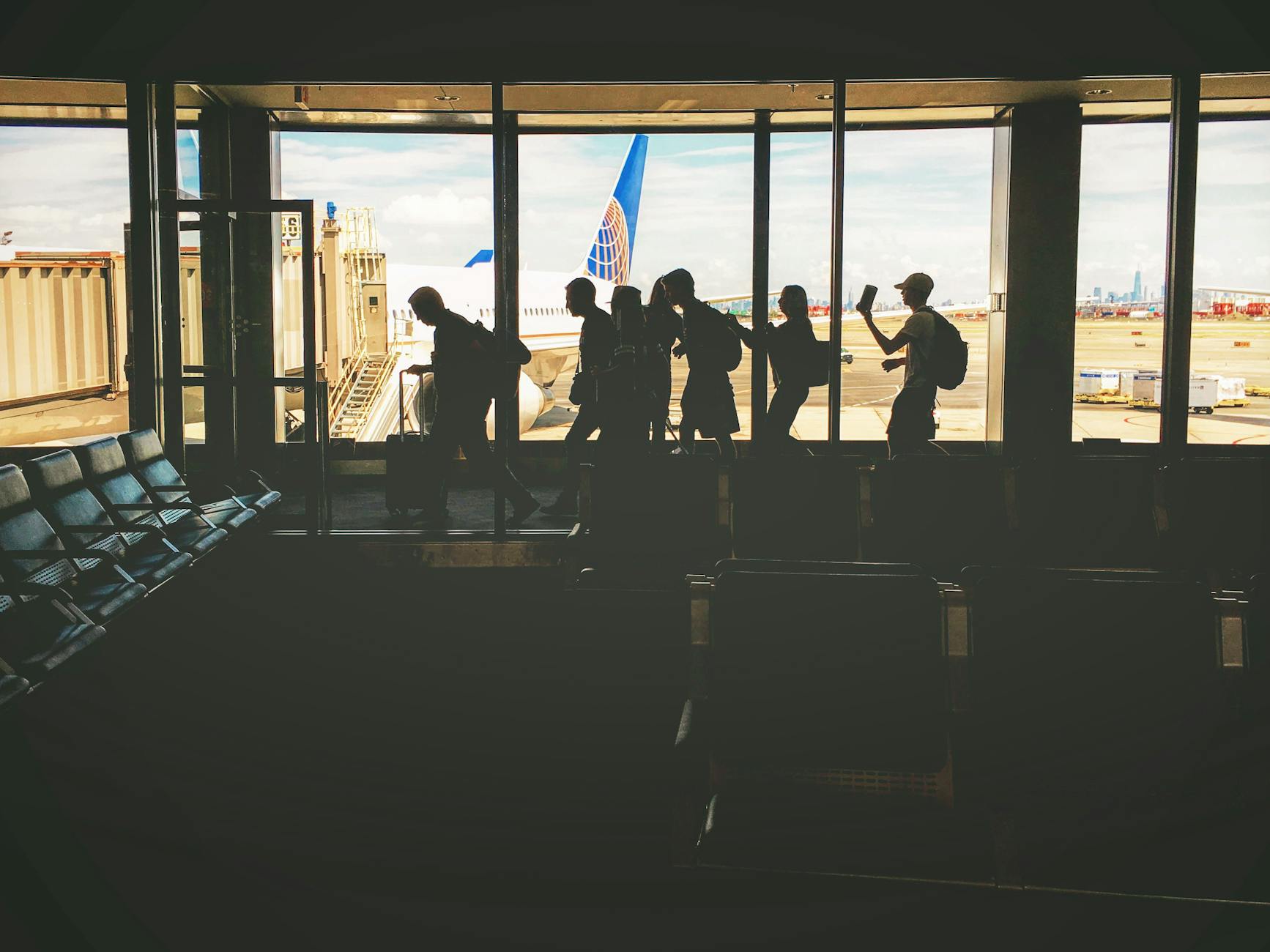 Photo by Tim Gouw on Pexels
Local Conduct Rules Matter More Than Before
Spain's updated travel environment is not only about paperwork and payments. Several local authorities are also tightening rules on visitor behaviour.
Examples include:
- pub crawl restrictions in parts of Barcelona
- street drinking limits and late-night alcohol sales bans in parts of the Balearics
- driving restrictions for visitors in central Soller, Mallorca
- bans on beach tents or gazebos in some coastal areas such as Torrox
- smoke-free and vape-free beach zones in multiple destinations
- fines in some municipalities for disruptive beach behaviour, including acts considered unsanitary
These rules are highly local, which means travellers cannot assume the same standards apply everywhere in Spain.
A Simple Checklist Before You Travel
Before departure, travellers should:
- verify entry documents for their nationality
- keep insurance, accommodation and transport proof accessible
- check whether their destination charges a tourist tax
- confirm that booked accommodation is properly registered
- review local rules on alcohol, smoking, driving and beach use
Spain is still fully open to tourism, but visiting responsibly is becoming a more visible expectation. Travellers who prepare well should have little trouble enjoying the country while avoiding unnecessary costs, delays or fines.
Tags:
Source:
Image Sources:
- Header image: Photo by Atlantic Ambience on Pexels
- Teaser image: Photo by Ryan on Pexels