
News
What Security Checks Travellers Face When Entering and Leaving the Schengen Area
Hand holding a globe against a mountain background symbolizing travel and exploration.
Article content
What Security Checks Travellers Face When Entering and Leaving the Schengen Area
Security Checks for EU/EEA and Third-Country Nationals
Travellers entering or leaving the Schengen Area face security and identity checks that vary depending on their nationality. EU and EEA citizens, as well as Swiss nationals, benefit from freedom of movement and typically experience faster processing at internal borders. However, third-country nationals undergo more thorough checks, including passport verification and customs inspections. Border guards assess travel documents, the purpose of the visit, proof of financial means, and return travel plans. Entry and exit records are systematically recorded to maintain security and ensure compliance with visa requirements.
The Role of the Entry-Exit System (EES) and ETIAS
The Entry-Exit System (EES) digitalizes the tracking of third-country nationals entering and leaving the Schengen Area, replacing traditional passport stamping. This automated system records biometric data and travel history, enhancing border security and reducing processing times. The European Travel Information and Authorization System (ETIAS), launching in 2025, requires eligible travellers from visa-exempt third countries to obtain pre-authorization before arrival. Together, these systems create a more efficient and secure border management framework while enabling travellers to plan their journeys with greater transparency.
What to Expect at Schengen Borders
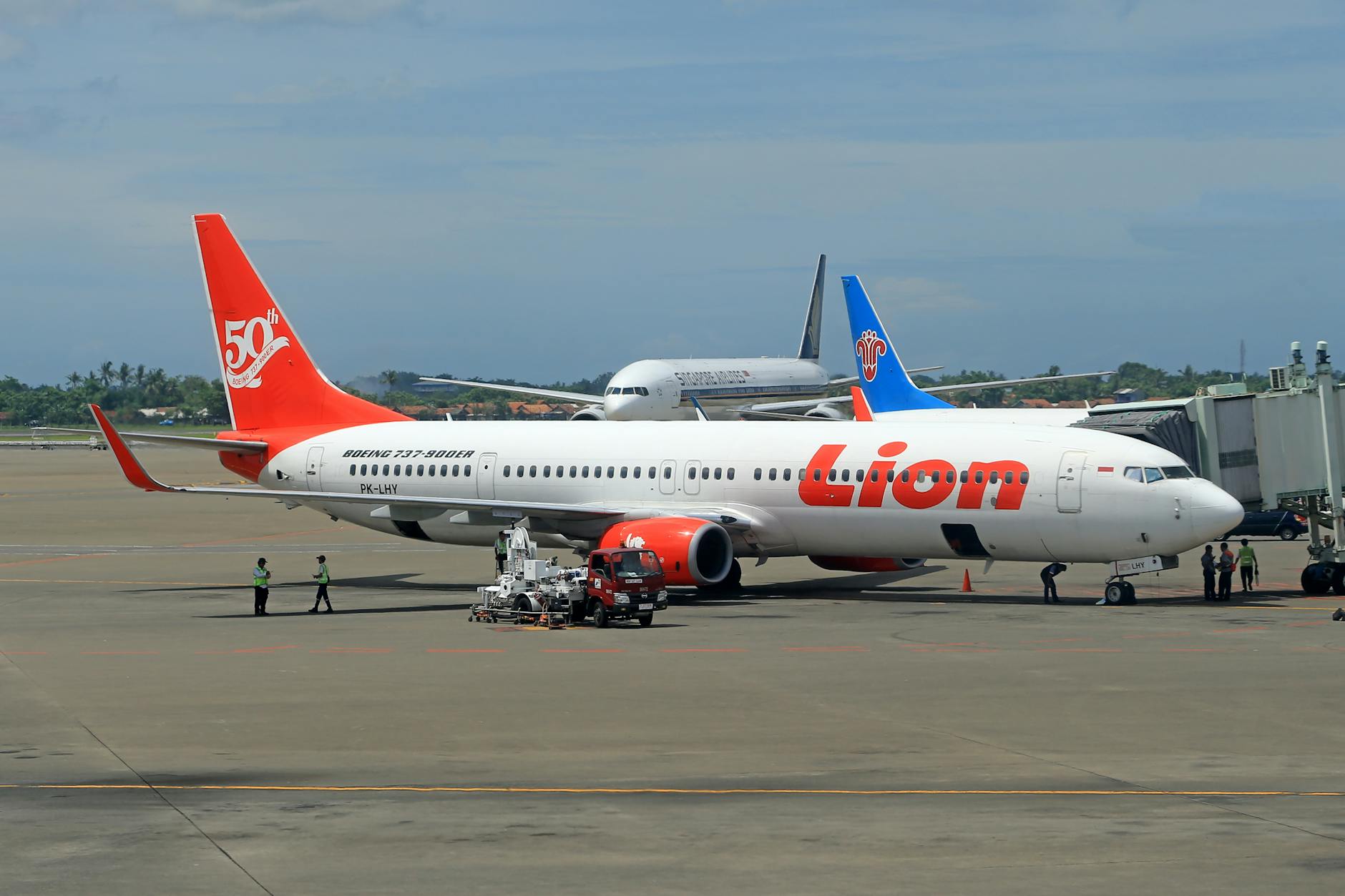 Photo by Jeffry Surianto on Pexels
At Schengen checkpoints, travellers should be prepared to present valid travel documents, answer questions about the purpose of their stay, and undergo security screening. Processing times vary depending on border traffic and individual circumstances. EU/EEA citizens and Swiss nationals typically experience minimal delays, while third-country nationals may spend additional time on document review and data collection. Customs inspections may occur for goods, and security measures including baggage screening are standard. Travellers are advised to check entry requirements well in advance, carry supporting documents, and allow sufficient time for border procedures to ensure a smooth transition through Schengen checkpoints.
Tags:
Source:
Image Sources:
- Header image: Photo by Porapak Apichodilok on Pexels
- Teaser image: Photo by Tiago Alvar on Pexels