
News
Why a Second Passport Has Become a Post-Brexit Priority for Young Britons
Woman in gray jacket checking wristwatch at station with luggage, representing punctual travel.
Article content
Why a Second Passport Matters More After Brexit
From Identity to Opportunity
Before Brexit, many people with Irish, Polish or other EU ancestry simply saw dual citizenship as optional paperwork. After Brexit, that changed. A second passport now represents easier movement around Europe, broader work and study options and a way to escape the sense of administrative narrowing that came with losing automatic freedom of movement.
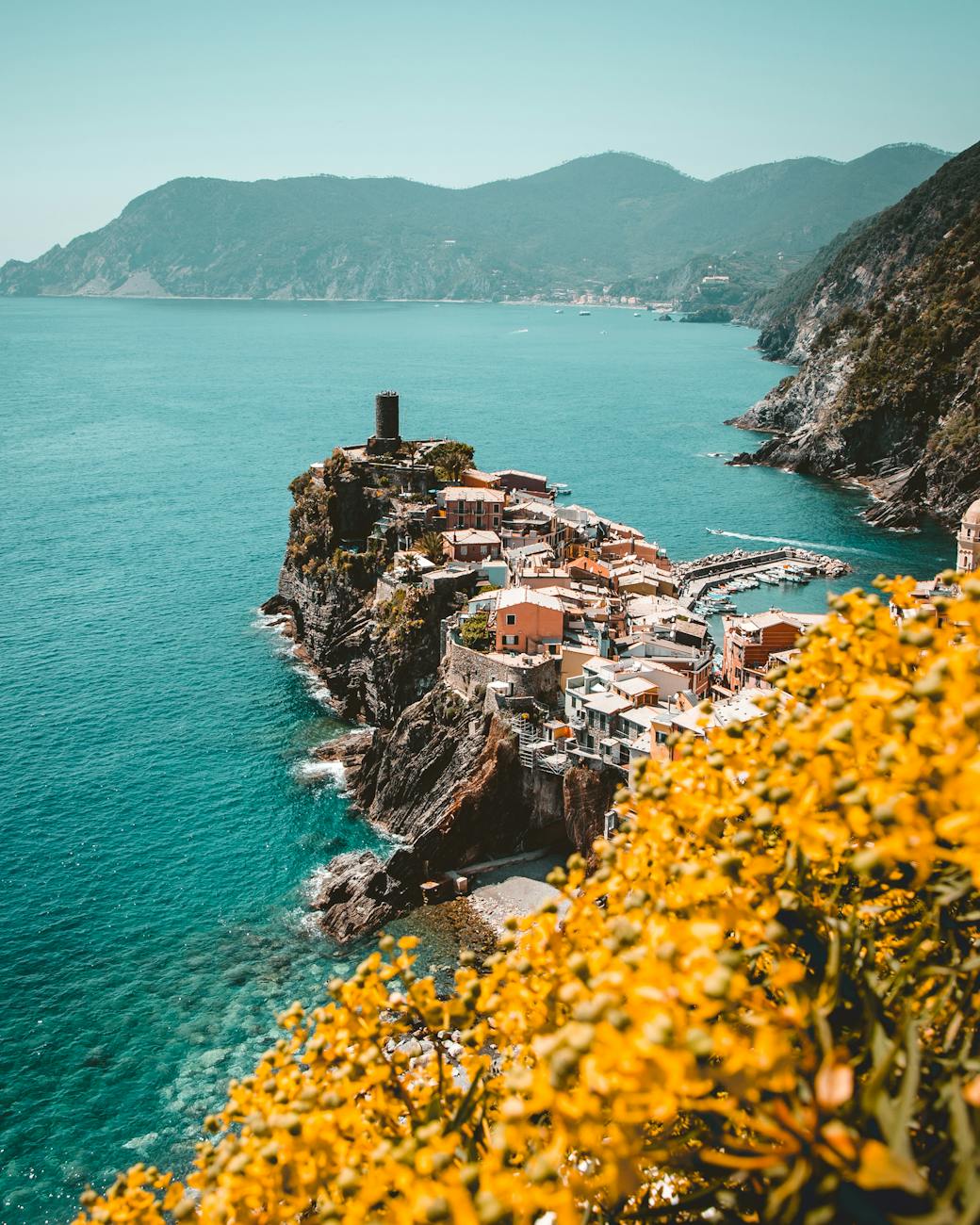 Photo by Josh Hild on Pexels
The Process Is Often Slow and Demanding
Claiming a second nationality through ancestry can be deeply bureaucratic. Applicants may need archived birth certificates, church records, translations, legal verification and proof that family lines remained intact across decades and, in some cases, across war and displacement. It is rarely quick and it is almost never simple.
Why So Many Still Decide It Is Worth It
The rewards are both practical and emotional. A second passport can mean shorter queues, fewer future permits and restored rights to live and work within the EU. It also gives families an insurance policy of sorts: more options in a less certain political environment.
More Than a Travel Convenience
What makes the trend notable is that it is not only about convenience. Many applicants describe the process as a recovery of family history, language and identity. In that sense, a second passport is not merely a smarter document portfolio. It is also a statement that nationality, especially in post-Brexit Britain, can be about belonging as much as border control.
Tags:
Source:
Image Sources:
- Header image: Photo by Gustavo Fring on Pexels
- Teaser image: Photo by Dominika Gregušová on Pexels