
News
ABTA Reframes Brexit Travel Advice as a Practical Checklist for EU Trips
Open vintage atlas showing Spain and Portugal with a Venezuelan passport on top, symbolizing travel.
Article content
ABTA Reframes Brexit Travel Advice as a Practical Checklist for EU Trips
The core rules now shaping post-Brexit travel
ABTA's advice makes clear that short trips to the EU remain straightforward for most UK travellers, but no longer run on pre-Brexit assumptions. British passport holders need to check both issue date and expiry date, because the passport generally must be less than 10 years old on entry and valid for at least three months after departure. The page also restates that most holiday and business visits can still be made without a visa for up to 90 days in any 180-day period, while ETIAS is presented as a later requirement expected toward the end of 2026 rather than something already in force.
Border routines and travel preparation are more detailed now
The guidance shows how post-Brexit travel depends more on documentation and readiness at the border. UK travellers may need to use non-EU lanes, can still be asked to show return or onward travel and proof of funds, and currently continue to receive passport stamps until EES replaces manual processing more fully. ABTA also links that border preparation to other practical checks, including health cover through EHIC or GHIC where applicable, travel insurance, possible mobile roaming charges, country-specific driving rules and the certificates needed for pets.
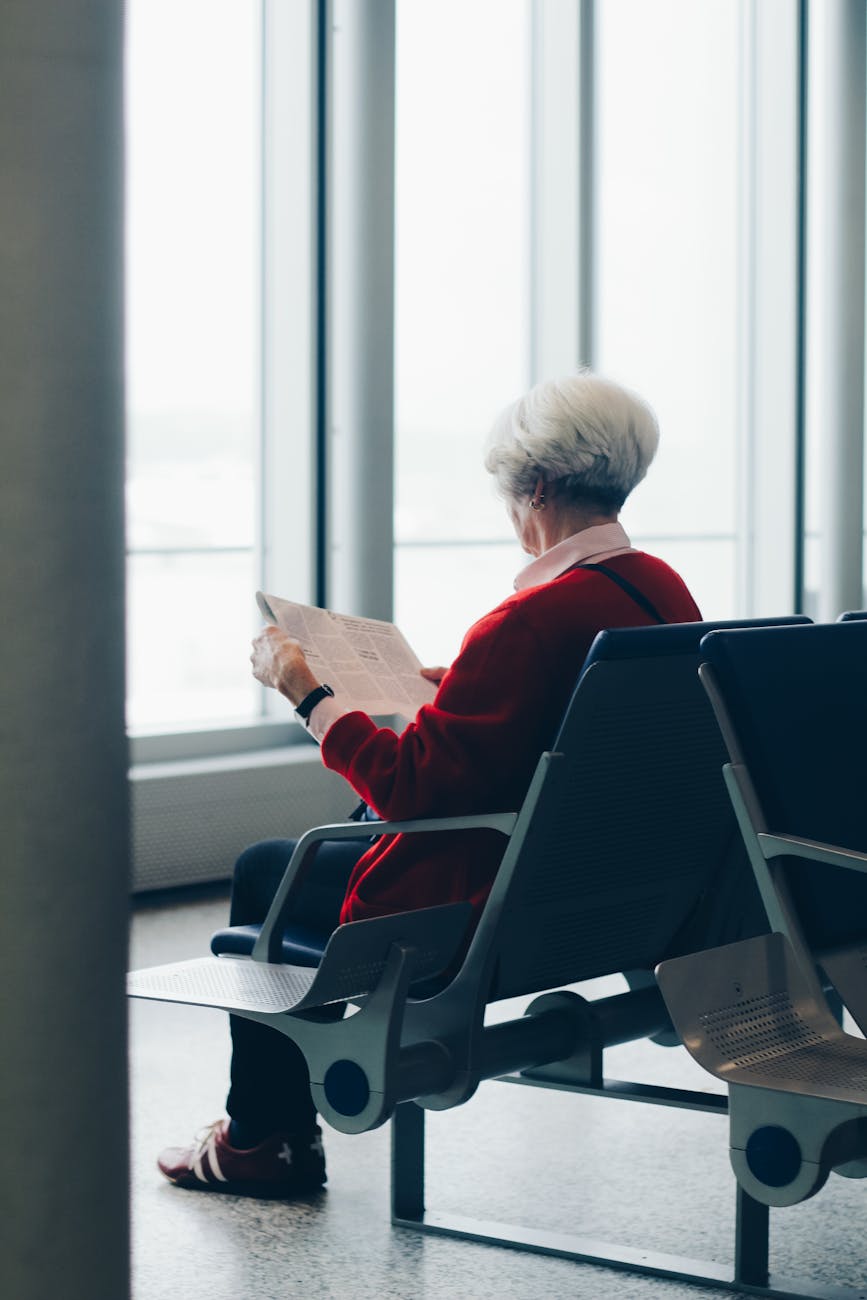 Photo by Martin Péchy on Pexels
Why travellers need to match advice to the type of trip
ABTA's broader point is that Brexit changed the travel checklist differently for different journeys. Ireland and the wider Common Travel Area do not follow the same passport and visa rules as most EU destinations, business travellers may need to review extra documentation and customs formalities, and shoppers can sometimes reclaim VAT under local rules for non-EU visitors. The result is not that travel has become unusually difficult, but that preparation now depends more heavily on destination, purpose of travel and the documents you bring with you.
Tags:
Source:
Image Sources:
- Header image: Photo by Arturo Añez. on Pexels
- Teaser image: Photo by Kelly on Pexels