
News
EES Reader Questions Answered: Passports, Biometrics and eGates for UK Travellers
the eiffel tower is reflected in the water
Article content
EES Reader Questions Answered: Passports, Biometrics and eGates for UK Travellers
The first phase still mixes digital registration with old border checks
The article's main message is that the initial EES period will add process rather than remove it. From 12 October 2025, British travellers entering the Schengen area are expected to register through the new system, but passport inspection and stamping are also expected to continue during the early rollout. That means the first months are likely to feel more bureaucratic, not less, with longer waits at some border points.
Biometrics, registration and repeat crossings all matter
The questions highlighted what travellers actually need to provide: passport data, fingerprints and a facial image during initial registration, with under-12s exempt from fingerprinting. The answers also pointed to a more practical long-term model in which biometric records remain available for future journeys, while subsequent crossings may rely on facial checks or other simplified verification instead of repeating the full first-time process every time.
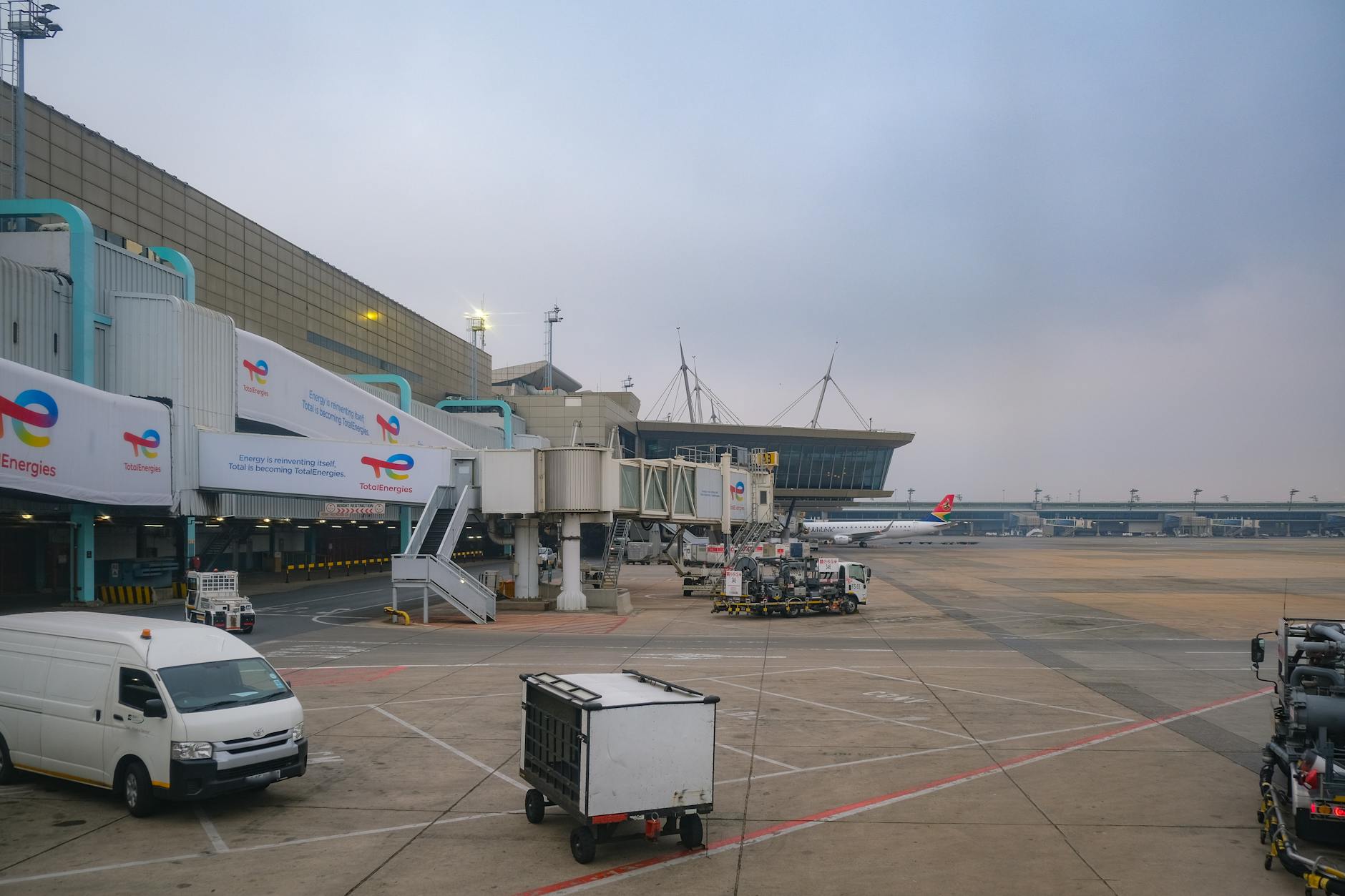 Photo by Magda Ehlers on Pexels
eGates, transit and dual-national cases depend on the border setup
A further takeaway is that EES does not create one single experience everywhere. eGate access remains a national decision, transit rules can differ by airport, and dual British-EU nationals may need to think carefully about which document they present. For travellers, the sensible approach is to expect uneven practice during rollout and to rely on destination-specific guidance rather than assuming every airport or frontier post will handle EES in the same way.
Tags:
Source:
Image Sources:
- Header image: Photo by Alex Ovs on Unsplash
- Teaser image: Photo by Lara Jameson on Pexels