
News
ETIAS Scams: What Travellers Need to Know Before the EU System Launches
a large jetliner flying through a cloudy sky
Article content
ETIAS Scams: What Travellers Need to Know Before the EU System Launches
Non-EU citizens planning a trip to Europe are being urged to stay alert as scammers exploit confusion around the European Union's upcoming border changes.
While the EU's new Entry/Exit System, known as EES, is scheduled to begin rolling out on 12 October 2025, the separate ETIAS travel authorisation is not expected to launch until the final quarter of 2026. That means visa-exempt travellers do not currently need to obtain an ETIAS to enter Europe.
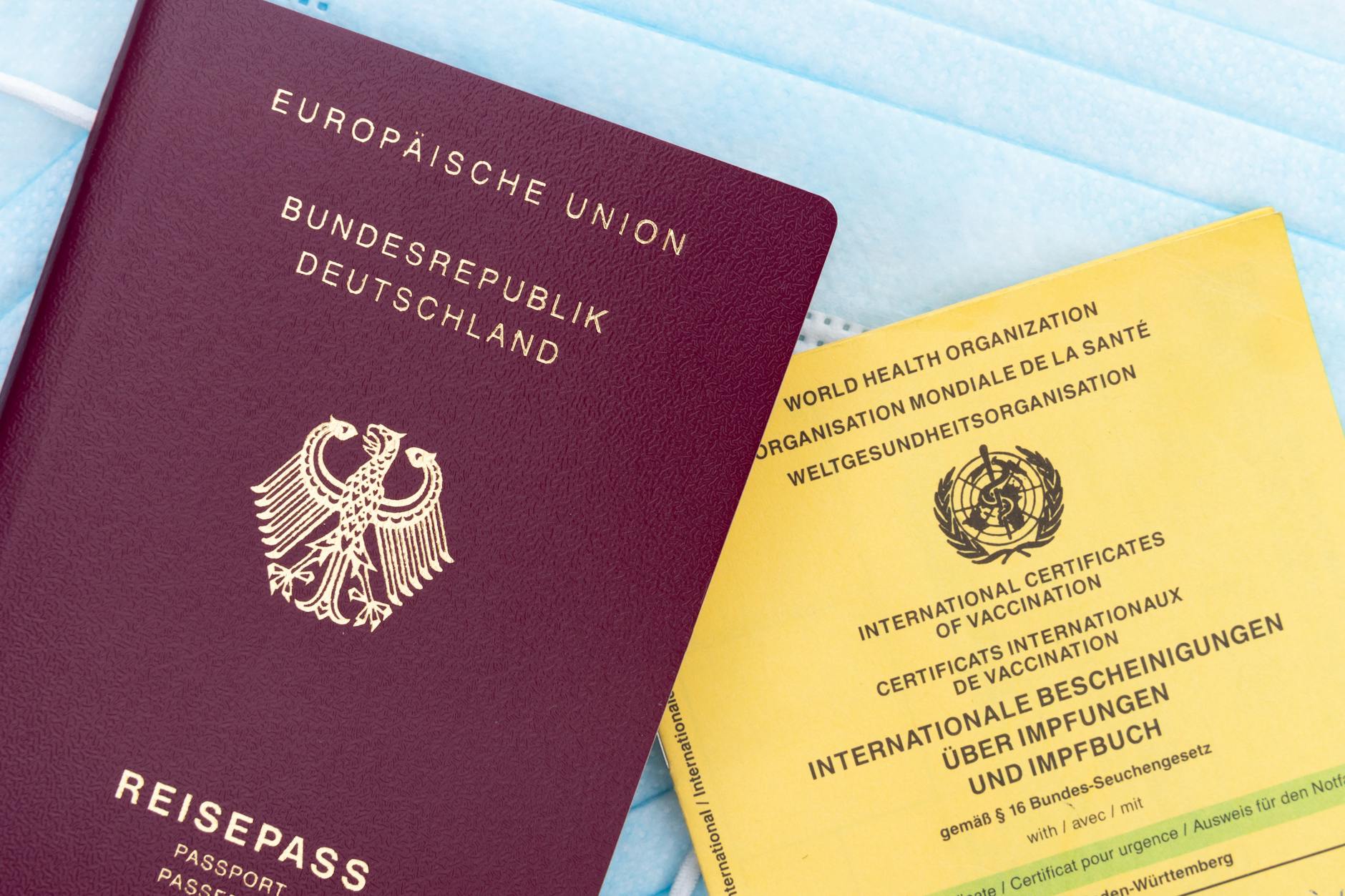 Photo by Markus Winkler on Pexels
What is changing for travel to the EU?
The EU is introducing two separate systems to strengthen border management and security.
EES comes first
The Entry/Exit System will apply to non-EU travellers crossing an external EU border where the infrastructure is ready. Instead of relying only on passport stamps, travellers will be asked to scan their passports or travel documents at self-service kiosks and register biometric information.
The rollout is expected to take place over six months from 12 October 2025.
ETIAS comes later
ETIAS, the European Travel Information and Authorisation System, is a different requirement. It will apply to travellers from visa-exempt non-EU countries, including the UK, the US, Canada and Australia, who are visiting the Schengen Area for short stays.
According to the current timeline, ETIAS is expected to launch in the last quarter of 2026, followed by a transitional period. It is therefore not expected to become fully mandatory until 2027.
Do travellers need any extra authorisation right now?
At present, visa-exempt non-EU nationals do not need to apply for ETIAS before travelling to the EU.
This is the key point that scammers are using to mislead people. Fraudulent websites are already pretending to sell ETIAS approvals even though the system is not yet open for applications.
How ETIAS will work once it starts
When ETIAS officially launches, eligible travellers will need to complete an online application before short visits to participating European countries.
The process is expected to require:
- personal information
- passport details
- answers to security-related questions
- payment of a €20 fee
Once approved, the authorisation will be linked to the traveller's passport and should remain valid for three years, or until the passport expires.
Children under 18 and adults over 70 are expected to be exempt from the fee, although they will still need to apply.
ETIAS is set to apply in 30 European countries: all EU member states except Ireland, plus Iceland, Norway, Liechtenstein and Switzerland.
Warning over fake ETIAS websites
Travel industry body ABTA and EU authorities have warned that fraudsters are already taking advantage of public uncertainty.
ABTA has said that people attempting to apply for ETIAS before its official launch risk losing both money and personal data. The organisation also warned that dozens of fake websites are already claiming to offer the future travel authorisation.
 Photo by Martijn Stoof on Pexels
How to stay safe
Travellers should remember these basic rules:
- there is currently no need to apply for ETIAS
- ETIAS is not expected to launch until late 2026
- the only legitimate application route will be the official EU ETIAS website
- any unofficial website, app or social media promotion should be treated with caution
Final takeaway
The upcoming EES border system and the future ETIAS authorisation are separate measures, and only one of them is approaching launch in 2025. For now, travellers should focus on understanding the EES rollout and ignore any website asking them to pay for ETIAS in advance.
Until the EU officially opens ETIAS applications, the safest approach is simple: do not pay, do not submit personal data, and rely only on official EU information channels.
Tags:
Source:
Image Sources:
- Header image: Photo by Ivan Mihajlovic on Unsplash
- Teaser image: Photo by Jonas Horsch on Pexels