
News
New EU Border Checks: What Travellers Need to Know About the EES
Close-up of European passports from Portugal and Austria on a world map.
Article content
New EU Border Checks: What Travellers Need to Know About the EES
The European Union is preparing to roll out the Entry/Exit System, known as the EES, as a new digital border management tool for non-EU visitors entering the Schengen Area. EU officials had pointed to 10 November 2024 as the target launch date, but reports at the time suggested some countries were still concerned about testing and operational readiness.
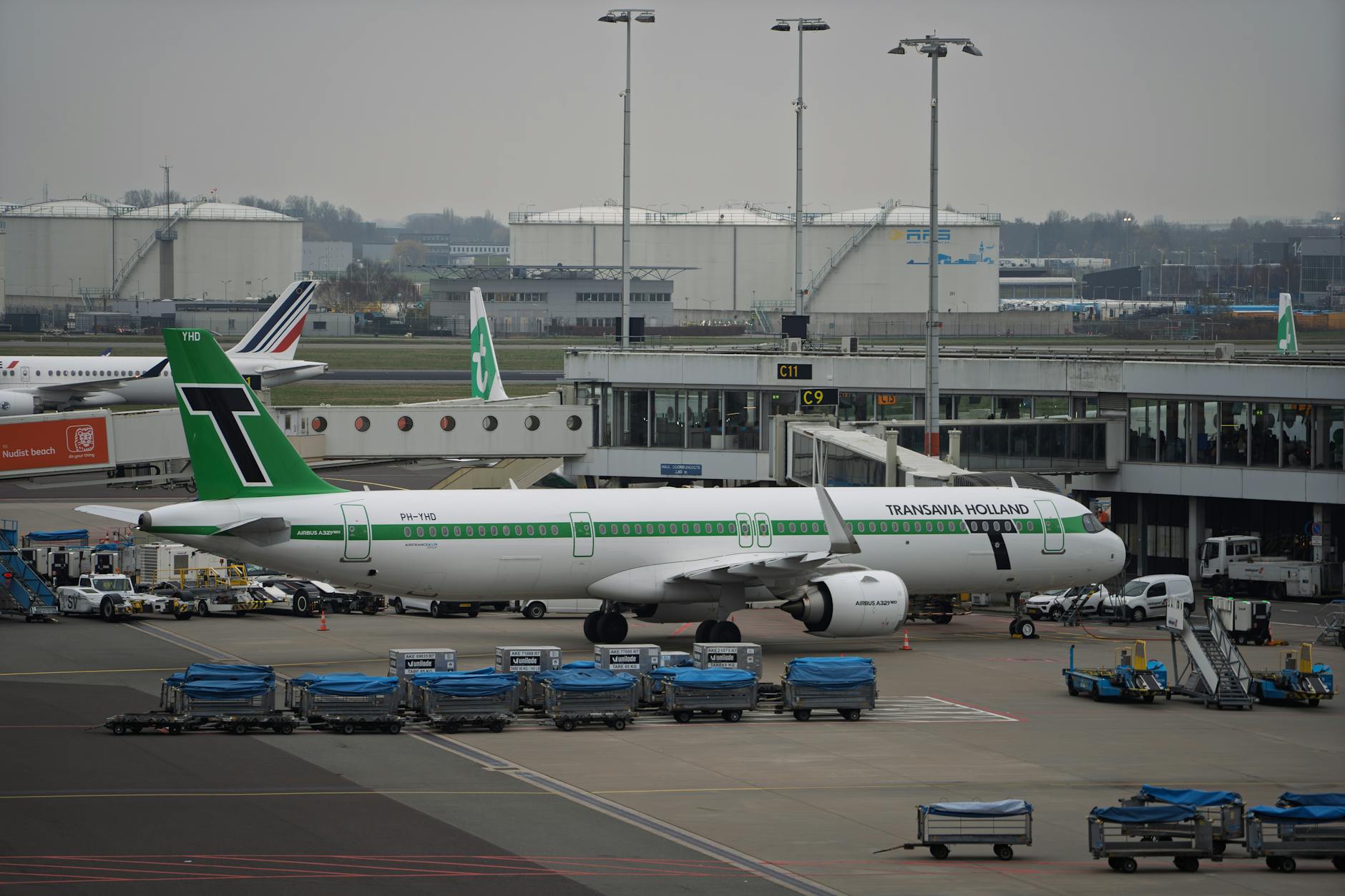 Photo by Martijn Stoof on Pexels
Who will be affected
The system is intended for travellers from the UK and other non-EU countries whose citizens can enter the EU without a short-stay visa. It does not apply to EU citizens, legal residents or travellers holding long-stay visas.
What changes at the border
Instead of relying only on manual passport stamps, travellers will use a self-service kiosk or scanner when crossing an external Schengen border. The system records passport details, dates and places of entry and exit, and biometric identifiers such as a facial image and fingerprints. Those biometrics are expected to remain valid for multiple trips over a three-year period.
Where the checks will apply
The EES is expected to cover most of the Schengen Area, including Iceland, Liechtenstein, Norway and Switzerland. Cyprus and Ireland are excluded.
Why delays remain a concern
Border authorities and transport operators have warned that the new process could slow passenger flows at busy crossing points, especially on routes linked to Dover, Eurostar and the Channel Tunnel. Reports also indicated that Germany, France and the Netherlands had raised concerns about readiness.
What comes next
Roughly five to six months after the EES, the EU is expected to introduce ETIAS, an online travel authorisation for visa-exempt non-EU visitors. That permit is expected to cost EUR 7 and remain valid for three years.
Tags:
Source:
Image Sources:
- Header image: Photo by Marta Branco on Pexels
- Teaser image: Photo by Christian Wiediger on Unsplash