
News
Dover Port Faces Brexit-Driven Chaos as New EU Border Checks Loom
Colorful floor art in the terminal at Orlando International Airport, Florida.
Article content
A Post-Brexit Reality Check at Dover
The Port of Dover, western Europe's busiest passenger hub, is bracing for a seismic shift in how millions of travellers cross the English Channel. Chief executive Doug Bannister has issued a stark warning that incoming EU red tape could leave the port unable to cope with demand beyond Easter, fundamentally transforming what ferry travel from Dover to France looks like.
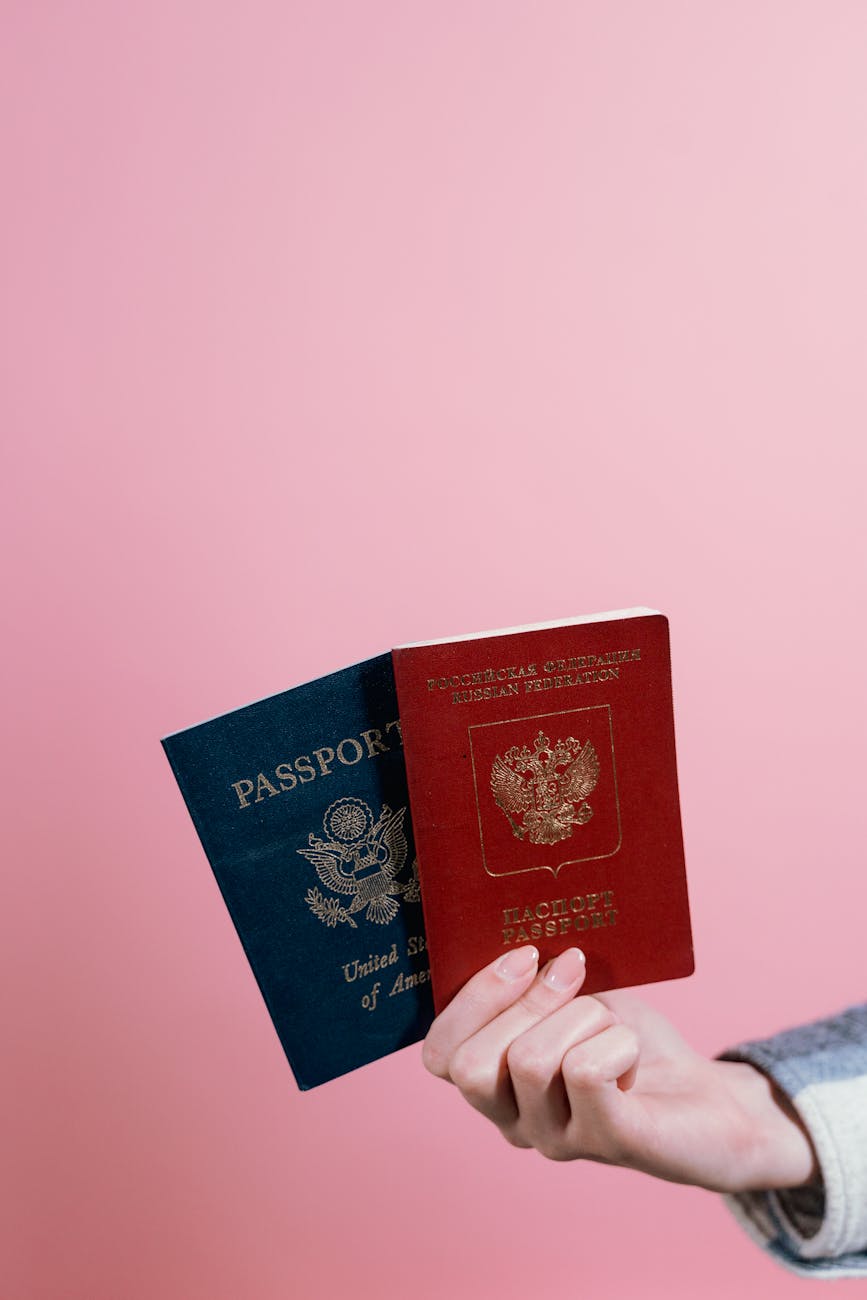 Photo by Tima Miroshnichenko on Pexels
The Scale of the Challenge
Dover handles staggering numbers each year: approximately 10 million passengers, 2 million cars, and 70,000 coaches. It holds the unique distinction of being the only UK port with "juxtaposed" frontier controls, meaning French border officials process travellers bound for Calais and Dunkirk while they are still on British soil.
Since Brexit, long queues have already become a painful reality on peak summer days, as French Police aux Frontieres must now check and stamp every single UK passport. But the situation is about to become far more complex.
The EU Entry-Exit System: A New Layer of Bureaucracy
The EU's Entry-Exit System (EES) will require every British traveller to have their fingerprints and a facial biometric taken before entering the Schengen area. For air passengers, this happens at the arrival airport. But for motorists, the process must take place before departure from Dover.
 Photo by Yelena from Pexels on Pexels
The port was never designed for intensive border checks. It was built on the principle of free-flowing traffic, with planners never imagining a day when travellers would need to submit fingerprints before boarding a ferry.
Under the Canopy: How It Will Work
Millions of pounds are being spent on new infrastructure. British holidaymakers in cars will find themselves directed under a giant canopy at the Eastern Docks, where agents equipped with tablet computers will collect their data.
Mr Bannister described the process: passengers will have their passport information recorded, answer standard Schengen questions about their destination and return date, and then provide two forms of biometrics — fingerprints and facial recognition. Only after registration will they proceed to the French border controls.
Coach passengers face a different arrangement. They will be processed at the Western Docks on the opposite side of Dover. Once cleared by French officials, each coach will be sealed, and passengers will effectively travel through the Kent town in French territory — a technique reminiscent of Cold War-era transit between West Germany and West Berlin.
 Photo by Tiago Alvar on Pexels
The Easter Deadline
Here is the critical concern: while the new infrastructure should handle passenger flows from the November launch through to approximately Easter, Mr Bannister admitted it will not be adequate for the full volume of summer traffic. In July, the port's busiest days saw more than 37,000 departing passengers — an average of 26 travellers every minute.
The long-term solution involves relocating the car-registration process from the Eastern Docks to the Western Docks, on land currently being reclaimed from the sea. However, this plan has not yet been approved, leaving a potentially dangerous gap in capacity.
Industry Concerns and Preparation
The travel industry is watching closely. Julia Lo Bue-Said, chief executive of the Advantage Travel Partnership, stressed that the new red tape "will add significant complexities for many travellers" and called for a clear government communication strategy.
Meanwhile, other Channel operators are investing heavily. Eurostar has spent around 9 million pounds on preparation, including the installation of approximately 65 pre-check-in kiosks at St Pancras in London and Gare du Nord in Paris. Eurotunnel has invested more than 70 million pounds, building dedicated EES zones with 224 kiosks across its terminals.
 Photo by Pixabay on Pexels
What Comes Next
Mr Bannister has called for a live trial before the November launch date, acknowledging the significant technology risk across all European gateways. The EES is just the first step in the EU's smart borders project. Six months after its successful implementation, the Etias online travel permit system will begin its rollout — though it will not become mandatory for UK travellers until approximately April 2027.
What Travellers Should Do
If you are planning to drive to France via Dover in the coming months, prepare for a new reality. Allow extra time for biometric registration, keep your passport details readily accessible, and monitor official channels for updates on processing times. The era of simply driving onto a ferry is well and truly over.
Tags:
Source:
Image Sources:
- Header image: Photo by Alexey K. on Pexels
- Teaser image: Photo by Matt Hardy on Pexels