
News
How Eurostar and Dover Were Preparing for EU Fingerprint Checks
Airport ground crew operating a vehicle in front of a parked airliner on a rainy runway.
Article content
How Eurostar and Dover Were Preparing for EU Fingerprint Checks
Written in May 2024, this article describes preparations that were underway when the EU Entry/Exit System was expected to launch in October 2024. EES eventually launched in phased form from October 2025. The infrastructure and processes described here reflect the situation as it stood before the actual rollout began.
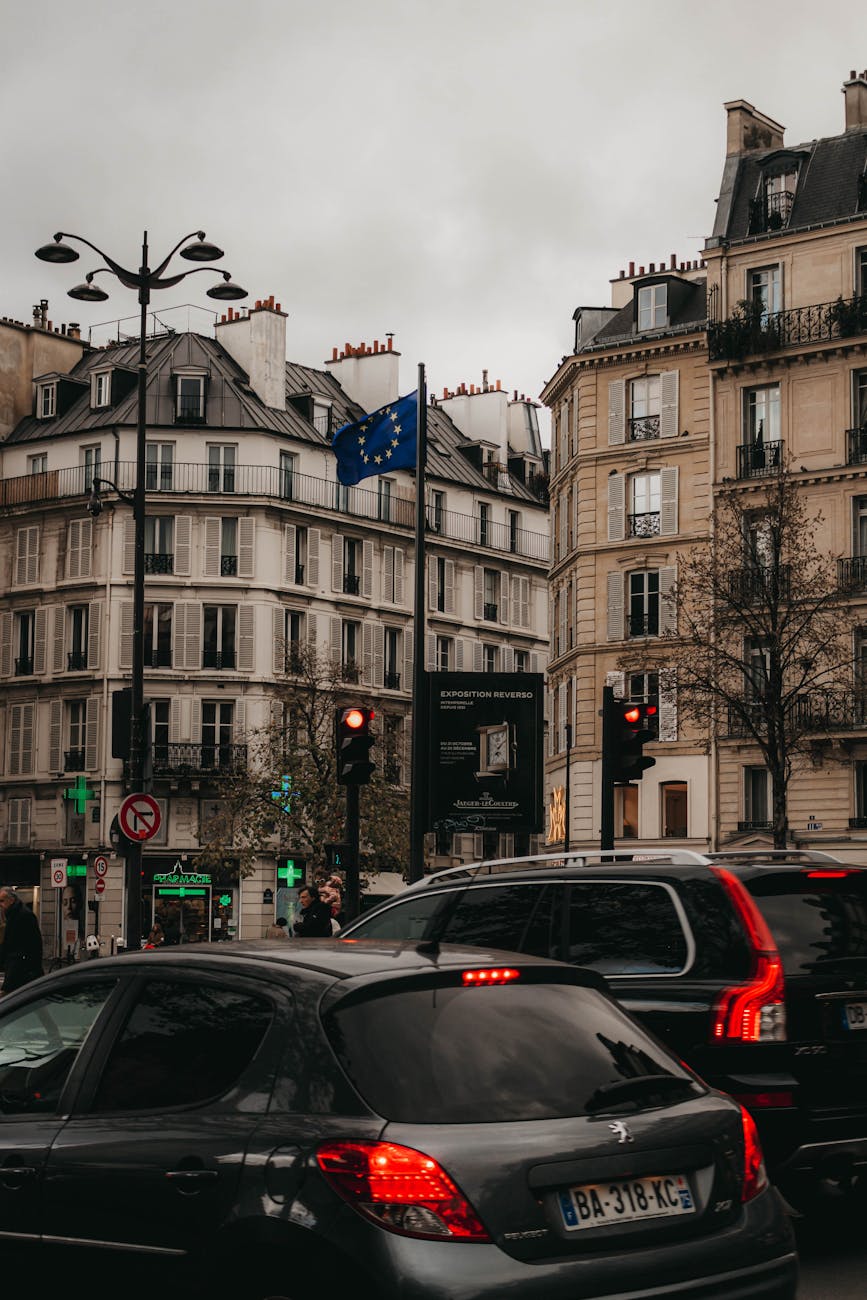 Photo by Jose Vasquez on Pexels
How Eurostar Was Preparing for the New Checks
Eurostar invested approximately EUR 10 million to install 49 new kiosks at London St Pancras station, arranged in three distinct processing zones. To accommodate the new layout, the long-standing cafe operator Benugo was relocated from its position in the departure area.
The juxtaposed border arrangement at St Pancras means that French border police operate on UK soil and must be present to supervise each biometric collection. Under EES, fingerprints would be taken twice: once at the self-service kiosk and once again under the supervision of a French border officer. This double-check requirement added processing steps and required a doubling of French police booths at St Pancras, from nine to eighteen.
Eurostar extended the recommended arrival window to 60 to 90 minutes before departure to account for the longer process, and industry body ACI Europe warned that average processing times across entry points could increase by up to 50 percent.
Dover and Eurotunnel: Capacity Challenges
Getlink, the operator of the Channel Tunnel, was investing EUR 70 million in its own kiosk infrastructure at Coquelles near Calais. The Port of Dover raised concern that the additional processing time required by EES would cause significant queues, particularly at peak summer travel periods.
Under the juxtaposed control model, French border checks at Dover and the Eurotunnel are conducted on the UK side of the crossing, meaning EES processing would also take place before boarding. The processing time for a family of five at Dover was estimated to rise to around ten minutes. At Eurotunnel, single-occupant car crossing times were projected to increase from 60 seconds to five to seven minutes.
The system had already been delayed from its original 2021 start date, and French authorities had insisted that EES would not be introduced before the Paris Summer Olympics in August 2024.
A New Border Regime in the Making
For Eurostar and cross-Channel passengers more broadly, EES represented the most significant overhaul of UK-to-Europe border procedures since the introduction of passport controls in the post-war period. Unlike air travellers, who can spread out through large terminal buildings, Eurostar and Eurotunnel passengers move through comparatively narrow boarding corridors.
The scheme includes a six-month precautionary flexibility period after launch, during which border officers can use discretion if queues become unmanageable. ETIAS, the European pre-travel authorisation system, was described at the time as due to follow several months after EES, with a fee that was then reported as EUR 7 but has since been confirmed at EUR 20.
Tags:
Source:
Image Sources:
- Header image: Photo by Matt Hardy on Pexels
- Teaser image: Photo by Martijn Stoof on Pexels